
A high-protein diet for weight loss: why protein is so important
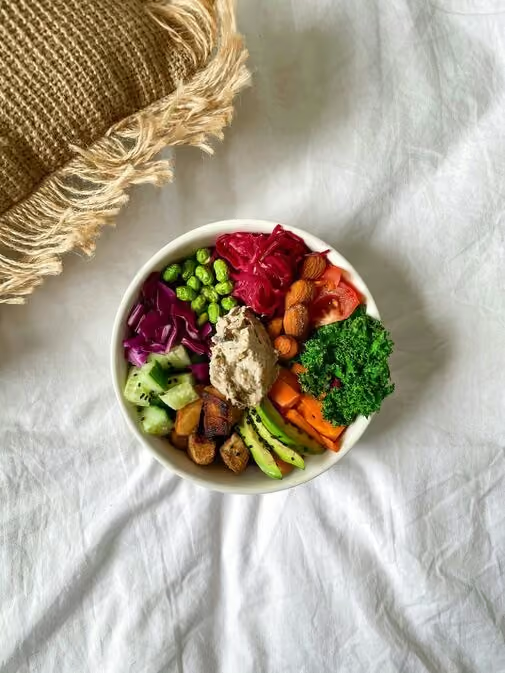
A high-protein diet for weight loss: why protein is so important
Short answer: A high-protein diet promotes weight loss because protein keeps you feeling fuller for longer, protects your muscle mass and slightly boosts your metabolism. Aim for 1.2 to 1.6 grams of protein per kilogram of body weight per day, especially if you’re using weight-loss supplements.
People who want to lose weight often think first about eating less. But what you eat is just as important as how much. A high-protein diet plays a crucial role in weight loss: protein keeps you feeling full for longer, protects your muscles and boosts your metabolism.
If you’re taking weight-loss medication, this is particularly important. A reduced appetite makes it harder to consume enough protein. In this blog post, you can read why protein is so crucial, how much you need each day, which foods contain the most protein, and how you can practically incorporate this into your daily life.
Why is a high-protein diet so important for weight loss?
Protein is more filling than carbohydrates or fat, protects your muscle mass during a calorie deficit and requires more energy from the body to digest. A review of high-protein diets shows that protein stimulates the production of satiety hormones and lowers levels of the hunger hormone ghrelin. Furthermore, protein has a high thermic effect: a large proportion of the calories from protein are already burned by the body during digestion itself.
There is another reason. When you lose weight, you lose not only fat but also muscle mass. Research into muscle preservation during weight loss shows that a higher protein intake, particularly when combined with strength training, significantly limits this muscle loss. This is important, as muscles keep your resting metabolic rate up and reduce the risk of regaining weight afterwards.
The exact diet turns out to be less important than is often thought. A meta-analysis in the BMJ compared popular dietary patterns with different ratios of carbohydrates, fat and protein, and found that the differences largely disappear after a year. Sustainable eating habits make the difference, and this is precisely where protein helps: if you’re less hungry, you’ll be able to stick with it for longer.
How much protein do you need per day?
When losing weight, 1.2 to 1.6 grams of protein per kilogram of body weight per day is a good target. This is more than the standard recommendation for people who aren’t losing weight, and there’s a reason for that: according to a review of dietary strategies, this higher intake promotes both a feeling of fullness and the preservation of muscle mass during a calorie deficit. For a person weighing 90 kilos, this equates to approximately 108 to 144 grams of protein per day.
Do you also exercise intensively? International guidelines on protein intake recommend that, when doing regular strength training, you increase your intake to around 2 grams per kilo of body weight and spread your protein intake throughout the day, with 20 to 40 grams per meal. If you combine this with exercise for weight loss, you’ll get the most out of every gram of protein you eat.
Which foods contain the most protein?
Chicken, fish, eggs, low-fat dairy products and pulses are among the most protein-rich foods. When it comes to animal sources, think of chicken fillet, turkey, tuna, salmon, cod and eggs. In the dairy aisle, low-fat quark, skyr, Greek yoghurt, cottage cheese and low-fat cheese are excellent sources of protein, often with relatively few calories.
Do you prefer a plant-based diet? Lentils, chickpeas, black beans, tofu, tempeh, edamame and seitan also provide large amounts of protein. According to the Voedingscentrum, it is also healthy to vary between animal and plant-based protein sources, as plant-based sources also provide fibre, which helps you feel full.
How can you include more protein in your daily diet?
Start every meal with a source of protein and choose protein-rich snacks: this way, you can increase your intake without having to cook complicated dishes. Consider quark or skyr for breakfast, a boiled egg or a slice of chicken fillet for lunch, and a handful of edamame or nuts as a snack. Add pulses to soups and salads, so that an ordinary meal becomes more protein-rich without you even noticing.
If you’re unable to meet your daily protein intake through your regular diet, protein powder can be a handy supplement. Are you taking any medication as part of your treatment? If so, be sure to read our article on what you should eat if you’re taking GLP-1 medication for a complete overview of your diet.
What is the link between protein and GLP-1 medication?
GLP-1 medicines significantly suppress your appetite, which means you eat less and are more likely to end up consuming too little protein. Weight-loss medicines such as Ozempic, Wegovy and Mounjaro delay gastric emptying and suppress the feeling of hunger in the brain. This is a huge help with weight loss, but it also means that every mouthful counts.
If you consistently eat too little protein whilst losing weight rapidly, this accelerates the loss of muscle mass; at the same time, Thuisarts.nl emphasises that a healthy diet remains important during medical treatment. Consciously choosing a protein-rich diet is therefore not an optional extra, but a central part of responsible treatment with medication. Curious about how to approach this from a broader perspective? Then read our frequently asked question on whether you can combine Ozempic with diet and exercise.
Are protein shakes a good idea when taking weight-loss medication?
A protein shake can be a useful supplement, particularly if you’re temporarily finding it difficult to eat solid food due to nausea. In that case, choose a variety without added sugar and view the shake as a supplement, not a substitute for proper meals. As well as protein, solid food provides fibre, vitamins and minerals that are usually lacking in a shake.
Are you unsure whether a protein shake is suitable in your particular situation? Discuss this during your treatment so that the advice can be tailored to your medication and symptoms.
How does Goodweigh help with your diet during your treatment?
Goodweigh provides practical diet and exercise tips as an integral part of the support you receive during your treatment. A doctor will assess whether the medication is suitable for you and prescribe it if necessary, after which you’ll have a review every four weeks. In the meantime, you can use the chat function to ask questions, for example about a high-protein diet or how to manage a reduced appetite.
This way, you’re not on your own. The personalised guidance isn’t a strict diet, but a set of practical tools tailored to your lifestyle and your own pace.
Protein is your ally in weight loss: Goodweigh helps you with this
The right diet enhances the effect of your medication. Protein keeps you feeling full, protects your muscles and helps you maintain your results, even in the long term. Would you like to lose weight with medical guidance and dietary advice tailored specifically to you? Then discover Goodweigh’s weight-loss programme and take the first step today.
References
- Cava, E., Yeat, N. C., & Mittendorfer, B. (2017). Preserving healthy muscle during weight loss. Advances in Nutrition, 8(3), 511–519. https://pubmed.ncbi.nlm.nih.gov/28507015/
- Ge, L., Sadeghirad, B., Ball, G. D. C., et al. (2020). Comparison of dietary macronutrient patterns of 14 popular named dietary programmes for weight and cardiovascular risk factor reduction in adults: Systematic review and network meta-analysis of randomised trials. BMJ, 369, m696. https://pubmed.ncbi.nlm.nih.gov/32238384/
- Kerksick, C. M., Arent, S., Schoenfeld, B. J., et al. (2017). International Society of Sports Nutrition position stand: Nutrient timing. Journal of the International Society of Sports Nutrition, 14, 33. https://pubmed.ncbi.nlm.nih.gov/28919842/
- Kim, J. Y. (2021). Optimal diet strategies for weight loss and weight loss maintenance. Journal of Obesity & Metabolic Syndrome, 30(1), 20–31. https://pubmed.ncbi.nlm.nih.gov/33107442/
- Moon, J., & Koh, G. (2020). Clinical evidence and mechanisms of high-protein diet-induced weight loss. Journal of Obesity & Metabolic Syndrome, 29(3), 166–173. https://pubmed.ncbi.nlm.nih.gov/32699189/
Your Final Weight Loss Program
Transform your life with our personalized digital weight-loss program designed for lasting success.